
Coastwide initiative to develop genetic certification tools for hard clam broodstock
Project Overview
The Gulf Shellfish Institute (GSI), Virginia Institute of Marine Science (VIMS), and the University of Florida Institute of Food and Agricultural Sciences (UF/IFAS) are leading a coastwide initiative to collect and genetically verify the identity of Mercenaria hard clam species in order to develop low-cost certification tools for broodstock. These tools will enable Florida’s aquaculture industry to reliably distinguish between northern, southern, and hybrid hard clams, improving access to genetically verified southern hard clam broodstock.
Upon completion of the project, genetically verified southern hard clams (Mercenaria campechiensis) will be made available at no cost to Florida shellfish hatcheries.
GSI is leading field collection efforts and providing samples to research partners at VIMS, where Dr. Jan McDowell and Dr. Kimberly Reece are overseeing genetic analyses and the development of diagnostic tools. Dr. Angela Collins, with UF/IFAS and Florida Sea Grant, is facilitating communication with industry partners and supporting the dissemination of project findings to Florida’s shellfish aquaculture industry.
why hard clam ceRtification matters
The northern hard clam (Mercenaria mercenaria) was introduced to Florida’s Gulf Coast for aquaculture in the mid-to-late 20th century, leading to widespread hybridization with the native southern hard clam. Currently, the aquaculture industry lacks a rapid, reliable method for distinguishing between these species, limiting access to genetically verified broodstock. Hatcheries primarily rely on external shell morphology for species identification, which can be unreliable. These challenges highlight the need for an efficient and cheap method to genotype hard clams.
Reliable species identification would also be useful for restoration of southern hard clams, an effort increasing in popularity because they appear to be more tolerant to low salinities, making them well suited for aquaculture in Florida commercial leases. GSI is currently investigating these characteristics through a related project examining heat and salinity tolerance in southern hard clams.
current state of the project
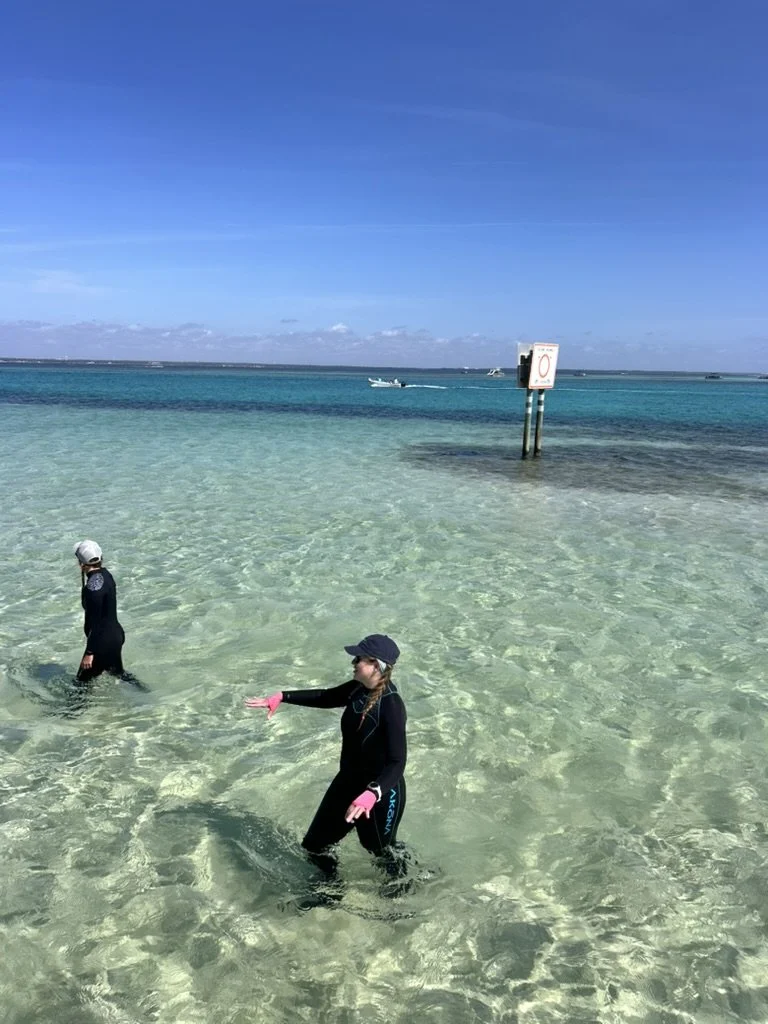
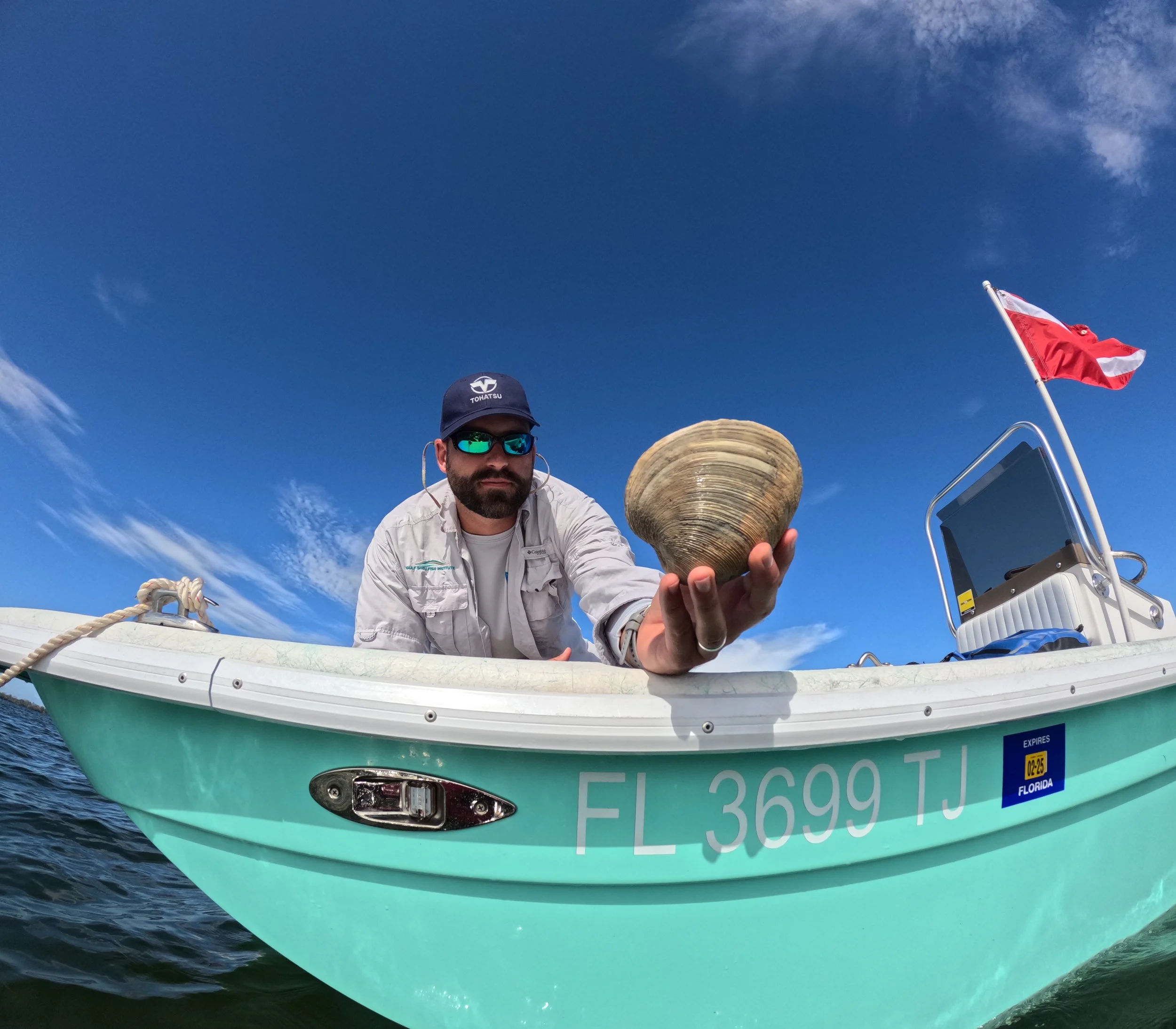
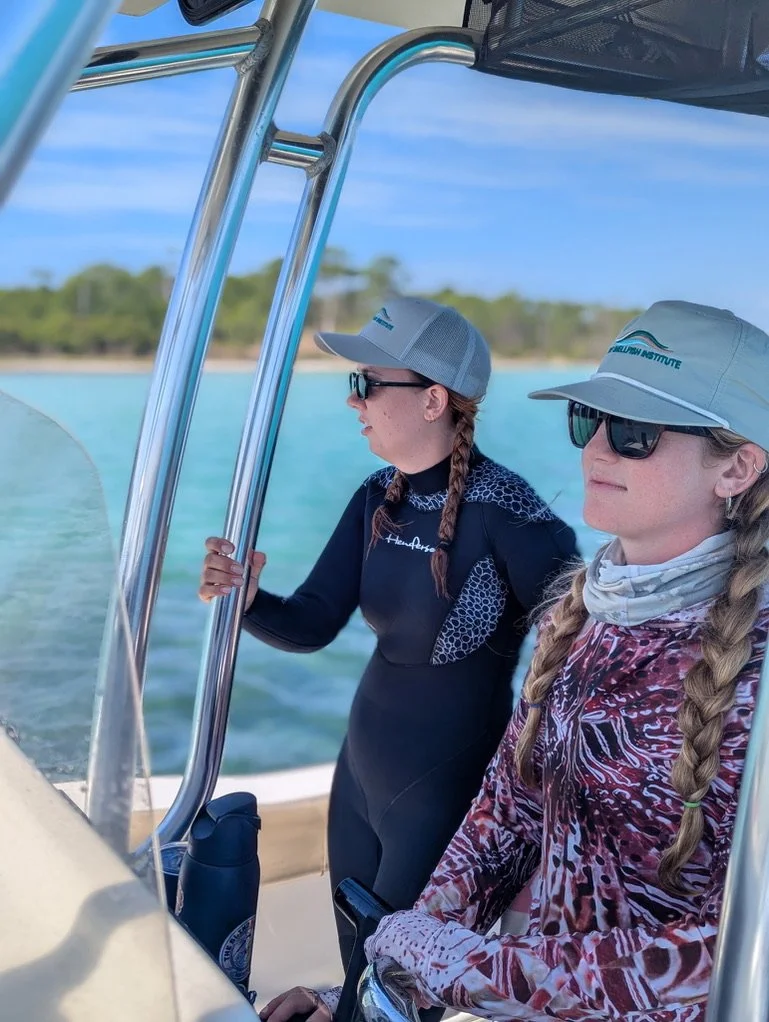
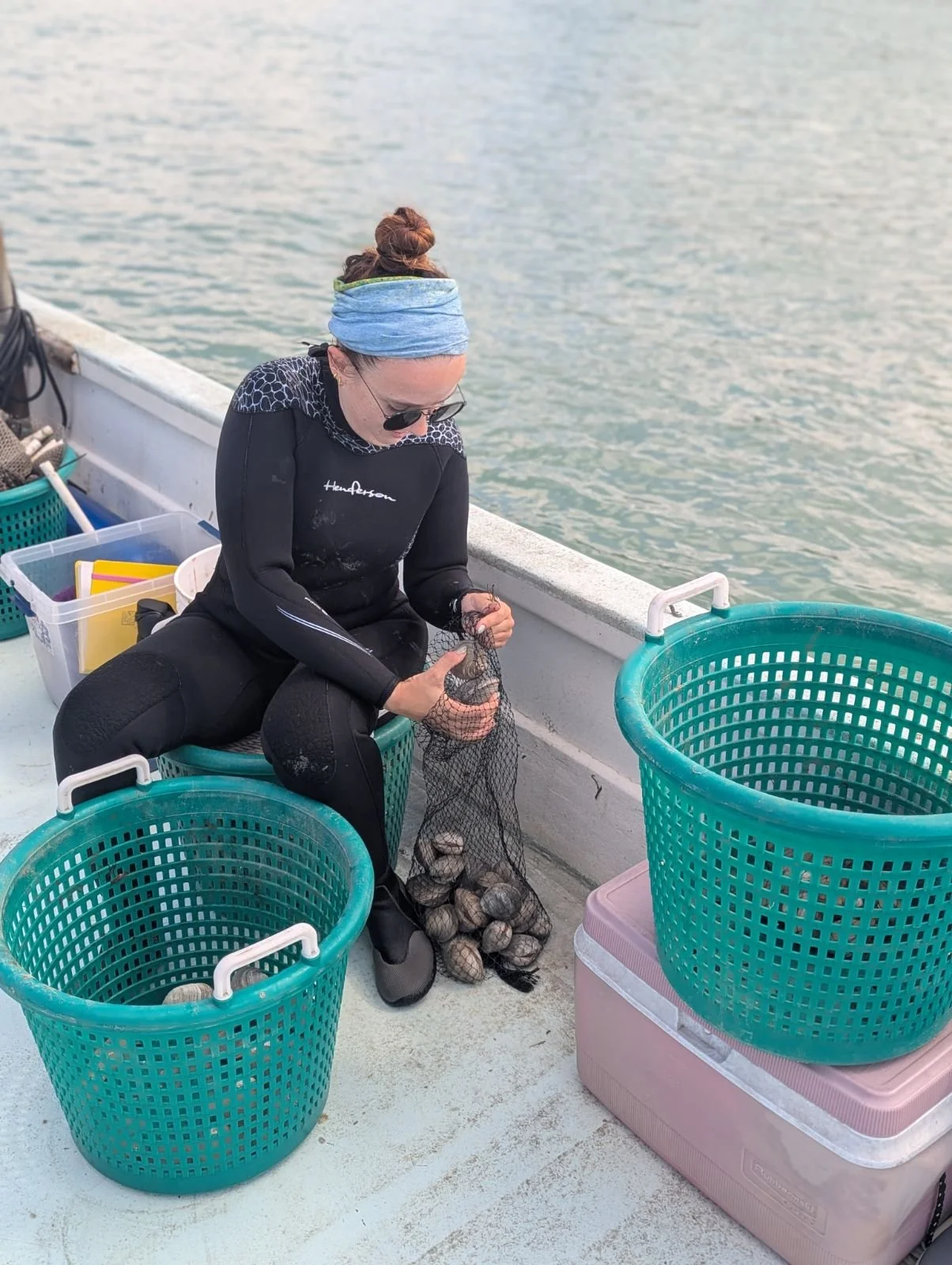
Sampling efforts, led by GSI’s Research Assistant, Gabrielle Nelson, are currently underway, covering the west coast of Florida, from the Keys to the Panhandle. To date, collection trips have been completed in Pensacola Bay, Apalachicola Bay, Apalachee Bay, Steinhatchee, Cedar Key, Homosassa, Clearwater, Tampa Bay, Sarasota Bay, Englewood, Charlotte Harbor, Estero Bay, Ten Thousand Islands, and the Florida Keys.
These collection trips are crucial for establishing a comprehensive genomic reference collection that captures the geographic distribution and genetic diversity of hard clams along Florida’s Gulf Coast. The project aims to collect a minimum of 30 hard clams from each region to provide adequate representation of regional genetic variation. Collected specimens are being prepared for genetic analysis by partners at VIMS. Additional collections are planned for the gaps between previously sampled sites, such as Venice and Naples.
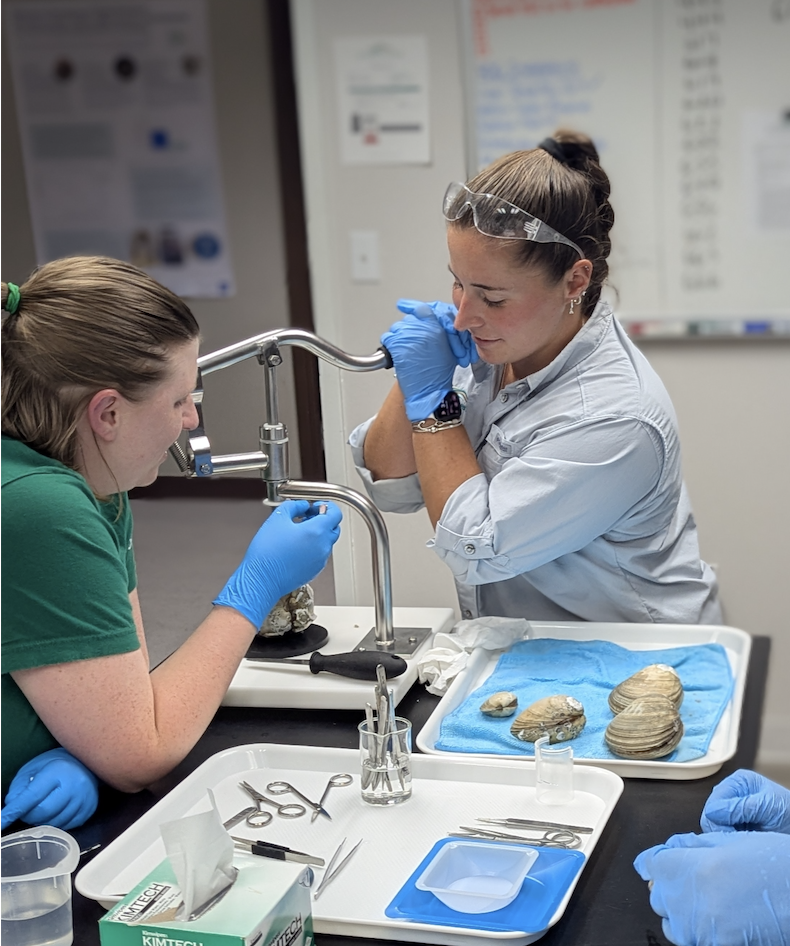
A subset of clams collected has been sampled in partnership with VIMS for DNA sequencing and species identification. Results from these initial analyses are pending and will be shared with interested community members once testing is complete.